
Exploring Voice-Over Techniques for Anime Characters
- Violet Nodens
- Nov 3, 2025
- 5 min read

Anime has become a global phenomenon, captivating audiences with its unique storytelling, vibrant visuals, and memorable characters. One key element that brings these characters to life is voice acting. The voice-over work in anime is not just about reading lines; it involves a range of techniques that convey emotion, personality, and depth. This post explores the essential voice-over techniques used to create compelling anime characters and offers insights for aspiring voice actors and fans interested in the craft.
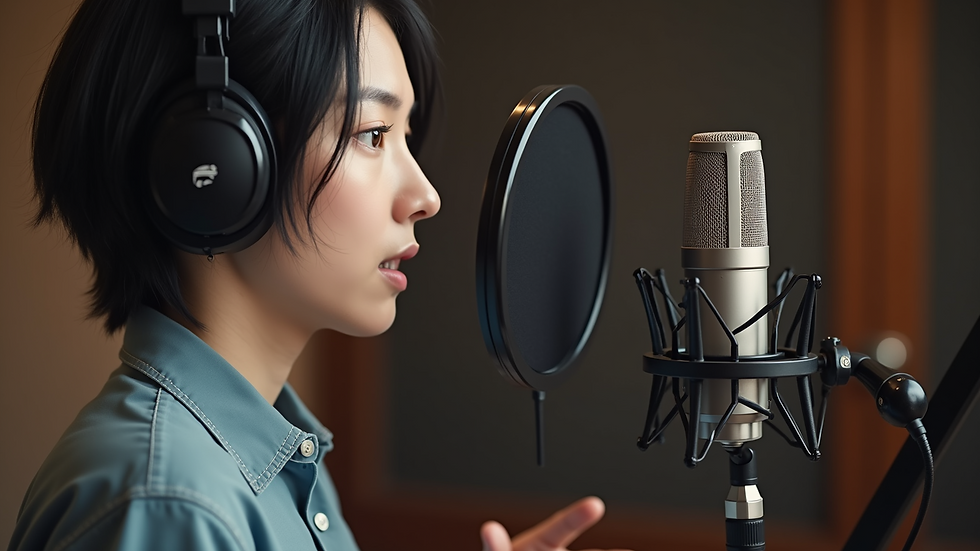
Understanding the Role of Voice Acting in Anime
Voice acting in anime is a specialized skill that requires more than just a pleasant voice. It demands the ability to interpret a character’s personality, emotions, and motivations. Unlike live-action acting, voice actors rely solely on their vocal performance to express everything the audience needs to know about the character.
Character consistency is crucial. Voice actors must maintain the same tone, pitch, and style throughout the series or film.
Emotional range helps portray complex feelings, from joy and excitement to despair and anger.
Timing and pacing align with the animation, ensuring lip-sync and scene flow feel natural.
These elements combine to create a believable and engaging character that resonates with viewers.
Key Voice-Over Techniques for Anime Characters
1. Vocal Characterization
Creating a distinct voice for each character is fundamental. Voice actors experiment with pitch, tone, and speech patterns to match the character’s age, background, and personality.
Pitch variation: Younger characters often have higher-pitched voices, while older or more serious characters use deeper tones.
Speech rhythm: Some characters speak quickly and energetically, while others have a slow, deliberate pace.
Accent and dialect: Occasionally used to add cultural or regional flavor, though less common in Japanese anime.
For example, the character Naruto Uzumaki from Naruto has a lively, youthful voice full of energy and determination, while his mentor Jiraiya has a deeper, more relaxed tone that reflects his wisdom and experience.
2. Emotional Expression
Anime characters often experience intense emotions, and voice actors must convey these feelings convincingly. This technique involves:
Dynamic volume control: Raising or lowering the voice to express anger, fear, or tenderness.
Breath control: Using breath sounds to add realism, such as sighs, gasps, or heavy breathing.
Vocal breaks and cracks: Introducing slight imperfections to show vulnerability or stress.
A good example is the character Shinji Ikari from Neon Genesis Evangelion, whose voice actor uses subtle vocal breaks to express the character’s anxiety and inner conflict.
3. Syncing with Animation
Voice actors must match their delivery to the character’s mouth movements and timing on screen. This synchronization is essential for immersion.
Lip-sync precision: Adjusting the speed and timing of speech to align with animated lip flaps.
Pausing and pacing: Inserting natural pauses to fit the animation’s rhythm.
Matching scene tone: Ensuring the voice fits the mood of the scene, whether it’s action-packed or quiet and introspective.
This technique requires careful listening and practice, often with the help of a director who guides the actor through the timing.
4. Using Microphone Techniques
The way a voice actor uses the microphone can enhance the character’s presence.
Distance from the mic: Moving closer for intimate or soft lines, stepping back for louder or shouting scenes.
Directional sound: Angling the microphone to create different sound textures.
Use of effects: Sometimes subtle reverb or distortion is added in post-production to match supernatural or robotic characters.
For instance, the voice of the character Alphonse Elric in Fullmetal Alchemist is often processed to sound metallic and otherworldly, complementing his armored body.
5. Character Interaction and Chemistry
Voice actors often record scenes with other actors or listen to previous lines to build chemistry.
Reacting naturally: Responding to other characters’ emotions and dialogue.
Maintaining energy: Keeping consistent enthusiasm and engagement throughout long recording sessions.
Improvisation: Occasionally adding small ad-libs or variations to make interactions feel more genuine.
This technique helps create believable relationships between characters, enhancing the story’s emotional impact.
Practical Tips for Aspiring Anime Voice Actors
If you want to try voice acting for anime, consider these practical steps:
Study anime performances: Watch your favorite shows and pay attention to how voice actors use tone and emotion.
Practice vocal exercises: Warm up your voice and experiment with different pitches and accents.
Record yourself: Listen back to identify areas for improvement.
Learn timing skills: Practice syncing your voice to animated clips.
Take acting classes: Voice acting is acting, so understanding character development and emotional expression is key.
Build a demo reel: Showcase your range with different character voices and emotions.
Many voice actors start with small roles or fan projects before moving into professional work.
Challenges Unique to Anime Voice Acting
Anime voice acting presents some unique challenges compared to other forms of voice work:
Matching pre-existing animation: Unlike Western animation, where voice is often recorded first, anime usually has completed animation, requiring precise timing.
Cultural nuances: Some expressions or jokes may not translate directly, so actors must adapt their delivery.
High emotional intensity: Anime often features dramatic scenes that demand strong vocal performances without overacting.
Long recording sessions: Maintaining vocal health is essential during extended sessions.
Understanding these challenges helps voice actors prepare and deliver their best performances.
Examples of Iconic Anime Voice Performances
Several voice actors have become legendary for their work in anime:
Megumi Hayashibara: Known for voicing Rei Ayanami in Neon Genesis Evangelion and Ranma Saotome in Ranma ½, she uses a calm yet expressive tone that fits a wide range of characters.
Toshio Furukawa: Famous for Piccolo in Dragon Ball, his deep, commanding voice adds gravitas to the character.
Kana Hanazawa: Her soft, gentle voice brings warmth to characters like Nadeko Sengoku in Monogatari series.
These actors demonstrate how voice-over techniques shape unforgettable characters.
The Future of Voice Acting in Anime
Technology and audience expectations continue to evolve the voice acting landscape:
Remote recording: Advances allow actors to record from home studios, increasing accessibility.
AI and voice synthesis: Emerging tools may assist or augment voice performances but cannot replace human emotion.
Globalization: More non-Japanese actors are entering the field, bringing diverse interpretations.
Training and workshops: Growing resources help new talent develop skills specific to anime voice acting.
The core of great voice acting remains the ability to connect with the character and audience through authentic vocal expression.
Voice acting is a vital part of what makes anime characters memorable and engaging. By mastering vocal characterization, emotional expression, timing, and microphone techniques, voice actors breathe life into animated worlds. Whether you are an aspiring voice actor or a fan curious about the craft, understanding these techniques offers a deeper appreciation of the art behind your favorite anime characters. Keep exploring, practicing, and listening closely to the voices that shape anime storytelling.


Comments